Neighborhood by Neighborhood: Building a Grassroots Case Against Systemic Moisture Damage

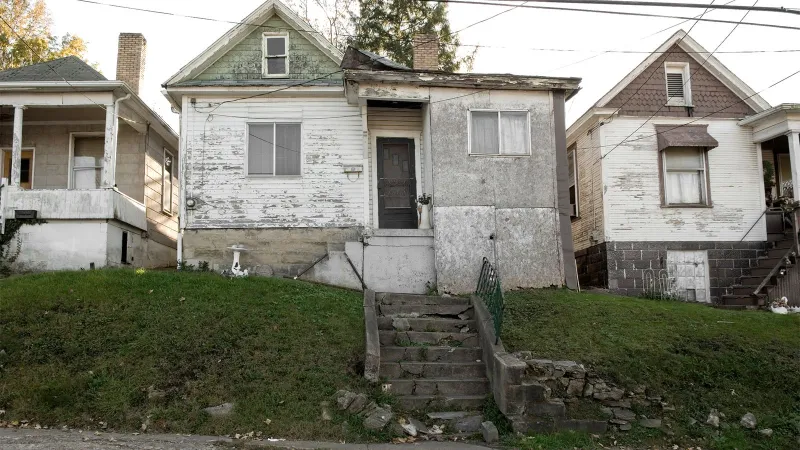
Photo by Photo by Theo Laflamme on Unsplash on Unsplash
When One Damp Wall Becomes Everyone's Problem
Margarita Fuentes first noticed the dark stain spreading across her daughter's bedroom ceiling in the fall of 2021. She reported it to her landlord in Baltimore's Cherry Hill neighborhood, received a coat of paint over the discoloration, and assumed the matter was closed. By spring, the stain had returned—larger, darker, and accompanied by a persistent musty odor that her daughter's pediatrician eventually connected to a worsening asthma diagnosis.
What Margarita did not know at the time was that three of her immediate neighbors had filed nearly identical complaints about moisture intrusion within the previous eighteen months. Nor did she know that the block where she lives sits atop a drainage corridor that the city's stormwater management system has failed to adequately maintain since the early 1990s. Her family's health problem was not an isolated incident. It was a symptom of a structural failure that spanned an entire neighborhood.
This distinction—between an individual home's water damage and a community-wide moisture crisis—is one of the most important things residents in underserved areas can learn to make. And increasingly, public health advocates, environmental scientists, and tenant organizers are developing tools to help them do exactly that.
The Geography of Mold: Why Some Neighborhoods Suffer More
Mold growth requires moisture, and moisture follows infrastructure. In communities where housing stock dates to the mid-twentieth century or earlier, building envelopes—the exterior walls, roofs, windows, and foundations that separate interior living space from the elements—have frequently exceeded their functional lifespans without adequate rehabilitation. When those envelopes fail, water infiltrates. When water infiltrates repeatedly and without remediation, mold colonizes.
The problem is compounded by climate. Across much of the Southeast, Gulf Coast, and Mid-Atlantic regions, rising humidity levels and increasingly intense rainfall events are overwhelming drainage systems that were never designed for current conditions. In cities like New Orleans, Houston, and Philadelphia, neighborhoods built on low-lying ground or adjacent to aging combined sewer systems face chronic basement flooding and foundation saturation that no single landlord's maintenance schedule can address in isolation.
Research published by the National Center for Healthy Housing has consistently found that mold exposure rates are disproportionately concentrated in low-income communities and communities of color—populations that have historically received less investment in public infrastructure and housing code enforcement. This is not coincidence. It is the accumulated consequence of policy decisions stretching back generations.
Reading the Signs at the Block Level
Before a community can advocate for systemic change, it must first document systemic patterns. That process begins with observation—and it requires more eyes than any single household can provide.
Residents who suspect their neighborhood has a structural moisture problem should begin by conducting informal conversations with neighbors, building managers, and local faith community leaders. Ask whether others have noticed recurring water stains, peeling paint on exterior walls, efflorescence (the white powdery residue left by water moving through masonry), or persistent musty odors in common areas. Even anecdotal reports, when mapped across a neighborhood, can reveal patterns invisible at the individual unit level.
Several community organizations have begun using free or low-cost digital mapping tools—including Google MyMaps and the Environmental Justice Atlas—to plot resident-reported moisture complaints geographically. When clustered data points align with known infrastructure features such as aging storm drains, low-elevation corridors, or historically redlined districts, the resulting map becomes a powerful piece of evidence in conversations with city housing departments and public works officials.
Photographic documentation is equally essential. Residents should photograph water damage with timestamps, note the weather conditions preceding each incident, and retain copies of all written communications with landlords or property managers. This evidence base, when aggregated across multiple households, transforms individual grievances into a community health record.
Organizing a Community Moisture Audit
A formalized community moisture audit takes resident observations a step further by introducing structured data collection and, where possible, technical measurement. Organizations such as the Healthy Homes Collaborative have supported neighborhood-level audit efforts that combine trained community health worker assessments with resident-led canvassing.
A basic audit framework typically includes the following components:
Exterior assessment: Volunteers trained in basic building inspection walk the block and document visible signs of envelope failure—missing or damaged roof flashing, deteriorating caulking around windows, cracked or spalling foundation walls, and evidence of standing water near building perimeters.
Interior self-reporting surveys: Residents complete standardized questionnaires about moisture-related observations inside their homes, including the frequency and location of condensation, visible mold growth, and water intrusion events.
Air quality spot testing: Where funding permits, community organizations can partner with environmental health programs at local universities or health departments to conduct low-cost indoor air quality measurements, including surface mold swab tests and relative humidity readings.
Data compilation and mapping: All findings are compiled into a neighborhood report that can be presented to local officials, shared with journalists, and submitted to housing inspection agencies as evidence of systemic conditions.
This kind of organized, data-driven advocacy has produced real results. In Cleveland, a coalition of tenant organizations used a similar audit process to successfully pressure the city's Department of Building and Housing to launch a targeted inspection initiative in two zip codes with elevated mold complaint rates. The initiative resulted in over 140 code violations issued to property owners within a single calendar year.
Taking the Case to Local Officials
Documentation alone does not produce change. Organized, persistent community pressure does.
Residents and advocacy groups who have completed moisture audits should bring their findings to multiple pressure points simultaneously. City council members who represent affected districts are often responsive to well-documented constituent concerns, particularly when those concerns are framed in terms of public health costs—emergency room visits, lost school days, and long-term respiratory illness impose real financial burdens on municipal health systems.
Local housing inspection departments can be compelled to act through formal complaint filings that cite specific code violations. Many states have provisions allowing groups of residents to file consolidated complaints, which carry greater administrative weight than individual reports.
State and federal environmental health agencies, including the EPA's Indoor Environments Division, accept community petitions and can in some cases direct technical assistance or enforcement attention toward areas with documented patterns of unhealthy housing conditions.
Perhaps most importantly, sustained media attention—particularly from local investigative journalists who cover housing and public health—can accelerate official responses in ways that internal bureaucratic processes often cannot.
A Collective Right to a Dry, Safe Home
Moisture damage is not a personal failing. It is not the result of residents failing to ventilate their bathrooms or report leaks quickly enough. In community after community, the pattern is the same: aging infrastructure, inadequate public investment, and a regulatory environment that places the burden of proof on the most vulnerable residents rather than on the systems and property owners responsible for their health.
Advocating for a community's moisture problem is, at its core, an act of insisting that every household—regardless of income, ZIP code, or immigration status—has a right to a home that does not make them sick. That insistence, organized and documented, is how systemic change begins.