Reclaiming the Block: How Resident-Driven Housing Rehabilitation Is Rewriting the Health Story of America's Most Neglected Neighborhoods
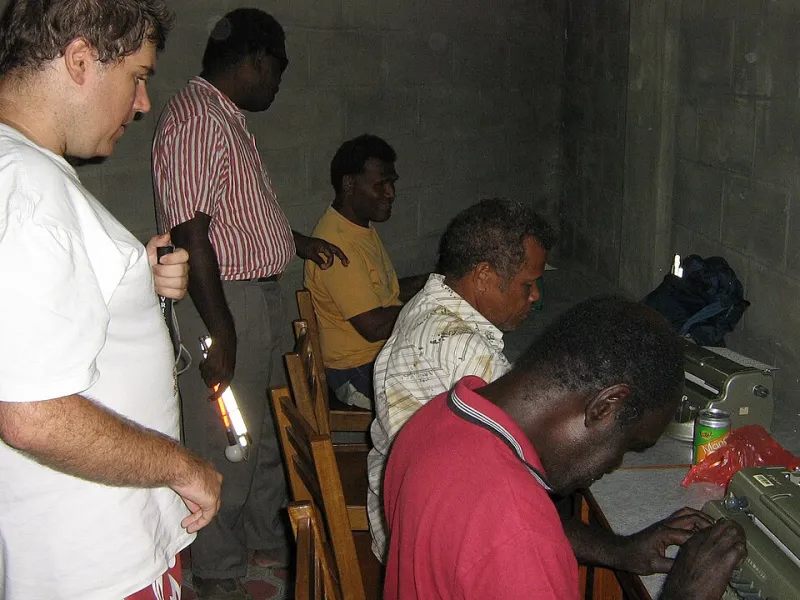
Photo: Department of Foreign Affairs and Trade, CC BY 2.0, via Wikimedia Commons
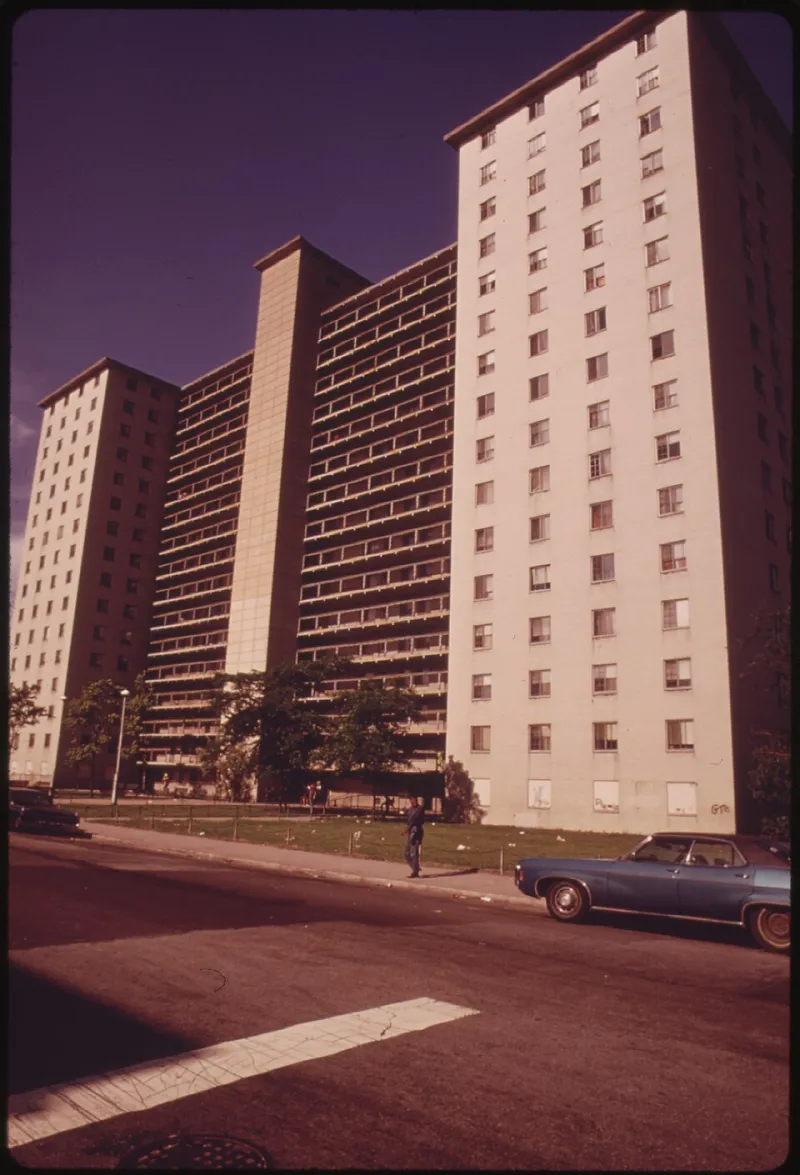
There is a particular kind of grief that settles over a block when a house goes vacant. It happens gradually—first the lawn overgrows, then a window boards up, then the porch begins to sag. Within a few seasons, what was once someone's home becomes something else entirely: a site of accumulated hazard, a signal to the surrounding community that no one is watching, that no one cares.
But in cities from Baltimore to Baton Rouge, from Cleveland to Fresno, residents are refusing to accept that signal. They are organizing, fundraising, lobbying, and building—transforming blighted properties into healthy, affordable homes and, in doing so, rewriting the health outcomes of entire neighborhoods.
The Public Health Weight of Vacancy
Before examining the solutions, it is worth understanding precisely what vacant and blighted housing does to a community's health. The mechanisms are numerous and well-documented.
Structurally compromised buildings harbor mold colonies, rodent infestations, and standing water—each a vector for respiratory illness, infectious disease, and neurological harm. Lead paint, disturbed by deteriorating walls and peeling surfaces, contaminates the soil around vacant properties and creates exposure risks for children playing nearby. Research from the Centers for Disease Control and Prevention has linked neighborhood blight density to elevated rates of childhood lead poisoning, asthma emergency visits, and anxiety disorders in adolescents.
The mental health dimension deserves particular attention. A landmark study conducted across Philadelphia neighborhoods found that residents living near blighted properties reported significantly higher rates of stress, depression, and feelings of personal insecurity than comparable residents in neighborhoods with lower vacancy rates. The researchers termed this the "disorder effect"—the way visible environmental decay communicates abandonment and elevates psychological distress.
And then there is the economic feedback loop. Property values fall near vacant lots and crumbling structures. Falling values reduce municipal tax revenues. Reduced revenues constrain the public services—code enforcement, sanitation, parks maintenance—that might otherwise arrest further decline. It is, in the most literal sense, a cycle of compounding harm.
What Community-Led Rehabilitation Actually Looks Like
The antidote to this cycle, as demonstrated by an expanding body of evidence, is organized community action—and the most effective models center resident leadership rather than imposing solutions from outside.
In Baltimore, the Healthy Neighborhoods initiative has spent more than two decades partnering with resident associations to rehabilitate housing in targeted corridors. The model is intentionally incremental: rather than attempting citywide transformation, it concentrates investment on specific blocks where community organization is already strong, creating demonstration zones of visible improvement that catalyze private reinvestment. Independent evaluations have found that homes within Healthy Neighborhoods target areas appreciate at rates significantly above the city average, while participating blocks show measurable reductions in emergency service calls.
In Cleveland, the Slavic Village Recovery project emerged from one of the neighborhoods hardest hit by the 2008 foreclosure crisis. Working through a coalition of local nonprofits, faith institutions, and the city land bank, residents helped identify which vacant properties had rehabilitation potential and which required demolition and greening. The resulting mixed strategy—some homes restored, others converted to community gardens or pocket parks—produced a neighborhood that is measurably safer and healthier than it was at the crisis's nadir.
In Fresno, the Central California Legal Services organization has partnered with community development corporations to rehabilitate substandard rental housing in low-income communities of color, coupling physical improvements with legal advocacy to ensure that rehabilitated units remain affordable and that tenants have enforceable rights.
What these projects share is a commitment to resident agency. Decisions about which properties to prioritize, what design standards to apply, and how to balance rehabilitation with new construction are made in community rooms and church basements, not solely in city planning offices.
The Health Multiplier Effect
Public health researchers have developed a useful concept for understanding why neighborhood-scale housing improvement produces outcomes disproportionate to the individual units involved: the health multiplier effect.
When a single blighted property on a block is rehabilitated to healthy housing standards—meaning adequate ventilation, lead-safe surfaces, functioning plumbing, pest-resistant construction—the benefits do not stay inside that structure's walls. Neighboring properties experience reduced pest pressure as harborage sites are eliminated. Soil lead contamination from the rehabilitated site stops spreading. The psychological environment of the block shifts. Property owners nearby become more likely to invest in their own maintenance.
A 2021 study published in the journal Housing Policy Debate found that every dollar invested in community-based housing rehabilitation in distressed urban neighborhoods generated between $1.50 and $2.20 in measurable community health and economic benefit when multiplier effects were accounted for. For public health advocates making the case for rehabilitation funding, this evidence base is increasingly powerful.
A Roadmap for Communities Ready to Act
For residents who recognize the pattern of blight and vacancy in their own neighborhoods and want to catalyze change, the path forward—while genuinely challenging—is navigable. The following steps reflect lessons drawn from successful community rehabilitation efforts across the country.
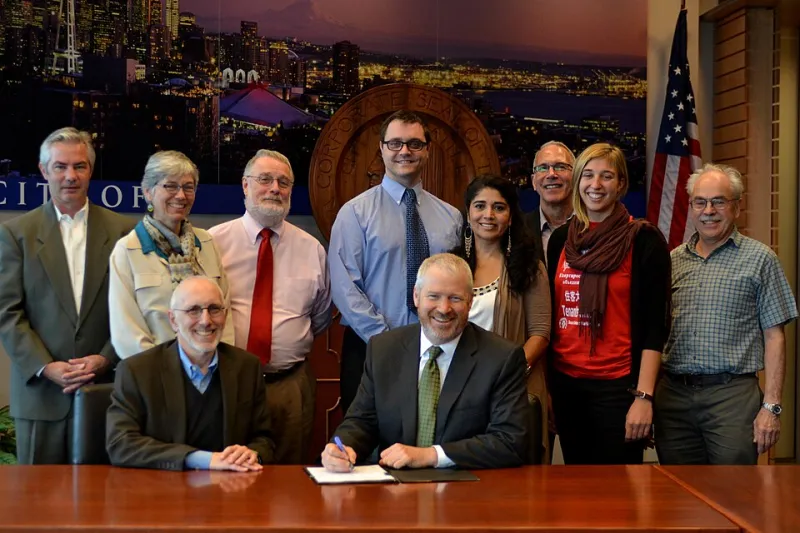
Build your coalition before you build anything else. Effective rehabilitation projects almost always begin with organized community relationships. Tenant associations, neighborhood improvement organizations, faith communities, and local schools are all natural partners. Establish regular meeting rhythms and shared decision-making structures before approaching funders or government agencies.
Map your assets and your targets. Work with your coalition to systematically identify vacant and blighted properties in your area. Many cities maintain publicly accessible land bank databases. Document conditions photographically and note ownership—some properties may be city-owned, which simplifies acquisition; others may be tied up in tax delinquency proceedings that create opportunity.
Engage your city's land bank or community development office. Most mid-sized and large American cities now have land bank authorities specifically empowered to transfer vacant and tax-delinquent properties to community organizations for rehabilitation. These offices are often underpublicized but genuinely accessible to organized community groups.
Pursue layered funding. Successful rehabilitation projects rarely rely on a single funding source. Community Development Block Grant (CDBG) funds, HOME Investment Partnerships Program resources, Low-Income Housing Tax Credits, philanthropic grants, and Community Development Financial Institution (CDFI) loans are all tools that experienced nonprofit developers know how to combine. Partnering with an established community development corporation can accelerate access to these mechanisms.
Center health standards in your rehabilitation specifications. This is the point at which Healthy Homes Collaborative's framework becomes directly relevant. Every rehabilitation project should incorporate lead-safe work practices, mold-prevention moisture management, adequate ventilation design, and energy-efficiency improvements as non-negotiable standards—not afterthoughts.
Document and communicate your outcomes. The communities doing this work most effectively are also telling their stories clearly. Health outcome data, before-and-after documentation, and resident testimonials build the public and political will to sustain and scale rehabilitation investment.
The Neighborhood as Patient
There is a phrase used by some community health workers that captures the logic of this work with unusual clarity: the neighborhood is the patient. Individual health outcomes cannot be fully separated from the physical environments in which people live, and those environments cannot be improved one household at a time when vacancy and blight operate at the block level.
Community-led housing rehabilitation is, at its core, a form of preventive medicine—one that addresses the structural determinants of health rather than waiting to treat the symptoms. Every vacant lot reclaimed, every crumbling porch replaced, every drafty, mold-prone rental unit transformed into a genuinely healthy home is an intervention in a community's health trajectory.
The evidence is clear. The tools are available. What remains is the organizing—and the conviction that residents, given genuine support and genuine power, are the most effective agents of change their neighborhoods have ever had.