Room by Room, Spore by Spore: A Renter's Complete Guide to Finding Hidden Mold and Demanding Action
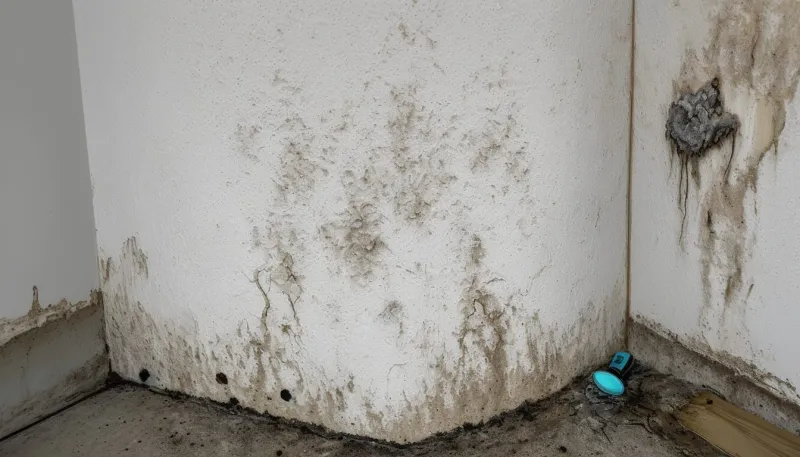
Photo: mold on rental apartment wall bathroom inspection close up, via restoration365.net
The Problem You Can't Always See
Mold is, by nature, a hidden adversary. It flourishes in the margins of rental units—the places tenants rarely think to look and landlords rarely volunteer to inspect. By the time visible colonies appear on a bathroom ceiling or a bedroom wall, the underlying growth has often been spreading for weeks or months. For the millions of American renters living in aging housing stock, this biological reality intersects with an uncomfortable legal one: the burden of proof frequently falls on the tenant.
At Healthy Homes Collaborative, we believe that burden should not be carried alone. This guide is designed to equip renters—particularly those in underserved communities where housing code enforcement is chronically underfunded—with the knowledge to identify mold at its source, document it thoroughly, and assert their rights under state habitability law.
Why Rental Units Are Especially Vulnerable
Mold requires three conditions to thrive: moisture, a food source (virtually any organic building material), and limited airflow. Rental housing, especially units built before 1980, tends to satisfy all three. Chronic deferred maintenance leaves window seals cracked and roof flashings compromised. Landlords frequently install the least expensive fixtures, including exhaust fans that move insufficient air volume. Tenants, often uncertain of their rights, may delay reporting leaks out of fear of retaliation.
The result is a housing environment that is structurally predisposed to mold growth—and a population of renters who are disproportionately exposed to the associated health consequences, including respiratory irritation, asthma exacerbation, allergic reactions, and, in the case of certain species such as Stachybotrys chartarum (commonly called black mold), more serious systemic effects.
A Room-by-Room Inspection Checklist
The following checklist is organized by the locations most frequently implicated in mold complaints in rental units. Work through each area methodically, and document every finding before contacting your landlord.
Bathroom
- Exhaust fan housing and duct: Remove the vent cover if possible. Inspect the interior of the fan housing for dark discoloration or a musty odor. Inadequate fan capacity is among the leading causes of bathroom mold in rental units.
- Caulk lines around the tub, shower, and toilet base: Deteriorating or discolored caulk is a primary moisture entry point. Look for black or gray streaking.
- Under-sink cabinet: Check the cabinet floor and back wall for soft spots, staining, or visible growth, particularly around supply lines and drain connections.
- Window sill and lower frame: Condensation accumulates here, especially in poorly insulated units during winter months.
Kitchen
- Beneath and behind the refrigerator: Condensation drip pans are rarely cleaned and frequently harbor mold colonies.
- Under the sink: Inspect around the garbage disposal connection and the P-trap. Slow drips from these fittings often go unnoticed for extended periods.
- Exhaust hood or microwave vent filter: Grease buildup combined with moisture creates favorable conditions for growth.
Bedrooms and Living Areas
- Window frames and tracks: Particularly in rooms with single-pane windows or inadequate weatherstripping. Run a finger along the interior frame; soft or spongy material indicates moisture infiltration.
- Closet walls on exterior-facing sides: These surfaces are cooler than room temperature and prone to condensation, especially in humid climates.
- Baseboards along exterior walls: Press gently. Any give or soft texture warrants closer inspection.
HVAC System
- Supply and return vents: Remove vent covers and use a flashlight to inspect the duct interior. Visible growth or a persistent musty odor when the system runs is a serious concern.
- Air handler unit and drip pan: If accessible, inspect the pan beneath the air handler for standing water or discoloration.
- Filter housing: A heavily soiled or visibly contaminated filter is not merely an efficiency issue—it can become a mold reservoir that distributes spores throughout the unit.
Laundry Area
- Behind and beneath the washing machine: Slow drain hose leaks are common and often go undetected.
- Dryer vent connection: A disconnected or kinked dryer vent exhausts warm, humid air directly into the wall cavity.
Documenting Mold for Landlord Liability
Documentation is the foundation of any successful habitability claim. Follow these principles:
Photograph in adequate light. Natural light or a bright supplemental light source is essential. Use your phone's HDR setting if available, and take multiple shots from different angles. Include a coin or a ruler in the frame to establish scale.
Date-stamp everything. Ensure your device's timestamp feature is active, or photograph a printed date card alongside the affected area. Courts and housing agencies rely on chronological documentation.
Write a contemporaneous log. Keep a written record—even a simple text file or email sent to yourself—noting the date you first observed each problem, any associated odors, and any physical symptoms experienced by household members.
Send written notice to your landlord. A certified letter or an email with read receipt creates a legally meaningful paper trail. Describe each deficiency specifically, cite the room and location, and request written confirmation of a repair timeline. Verbal conversations, however sincere, are difficult to enforce.
Consider professional testing. If your landlord disputes the presence of mold, an air quality test by a certified industrial hygienist provides objective evidence. Some local health departments offer low-cost or free inspections for qualifying tenants.
Your Rights: A State-by-State Overview
Every U.S. state recognizes some version of the implied warranty of habitability—a legal doctrine requiring landlords to maintain rental units in a condition fit for human habitation. Mold that poses a health risk is widely considered a habitability violation. However, the specific remedies available to tenants vary significantly by jurisdiction.
Rent withholding: States including California, New York, New Jersey, Massachusetts, and Illinois permit tenants to withhold rent—or deposit it into an escrow account—when a landlord fails to remediate a documented habitability violation after receiving written notice. The procedural requirements differ; consult your state's tenant rights statute or a local legal aid organization before withholding payment.
Repair and deduct: In states such as California, Arizona, and Hawaii, tenants may arrange for qualified repairs themselves and deduct the cost from rent, subject to statutory dollar limits, after providing written notice and allowing a reasonable repair period.
Lease termination: A constructive eviction claim—arguing that uninhabitable conditions effectively forced you from your home—can support early lease termination without penalty in most states. Thorough documentation is critical to this argument.
Retaliation protections: Federal law and most state statutes prohibit landlords from retaliating against tenants who report habitability violations in good faith. Retaliatory eviction notices, rent increases, or harassment following a mold complaint may constitute independent legal violations.
For state-specific guidance, the U.S. Department of Housing and Urban Development maintains a directory of local tenant rights resources at hud.gov. Legal aid organizations in your area can provide free or low-cost representation if your landlord refuses to act.
When Inspection Becomes Advocacy
Individual documentation matters. But mold in rental housing is rarely an isolated problem. When multiple tenants in the same building or neighborhood are experiencing similar conditions, collective action—organizing with neighbors, filing coordinated complaints with local code enforcement, and engaging community health advocates—amplifies pressure on both landlords and municipal agencies responsible for housing standards.
Healthy Homes Collaborative works alongside tenant organizations, community health workers, and legal aid partners to transform individual housing grievances into systemic change. If you are navigating a mold dispute and need guidance on connecting with local resources, we encourage you to reach out through our community health network.
Your home should support your health. When it does not, you have both the right and the tools to demand better.