Silence Is a Privilege: How Acoustic Neglect in Rental Housing Is Stealing Sleep, Stability, and School Readiness from Low-Income Families

Photo by Photo by Jorge Alvarado on Unsplash on Unsplash
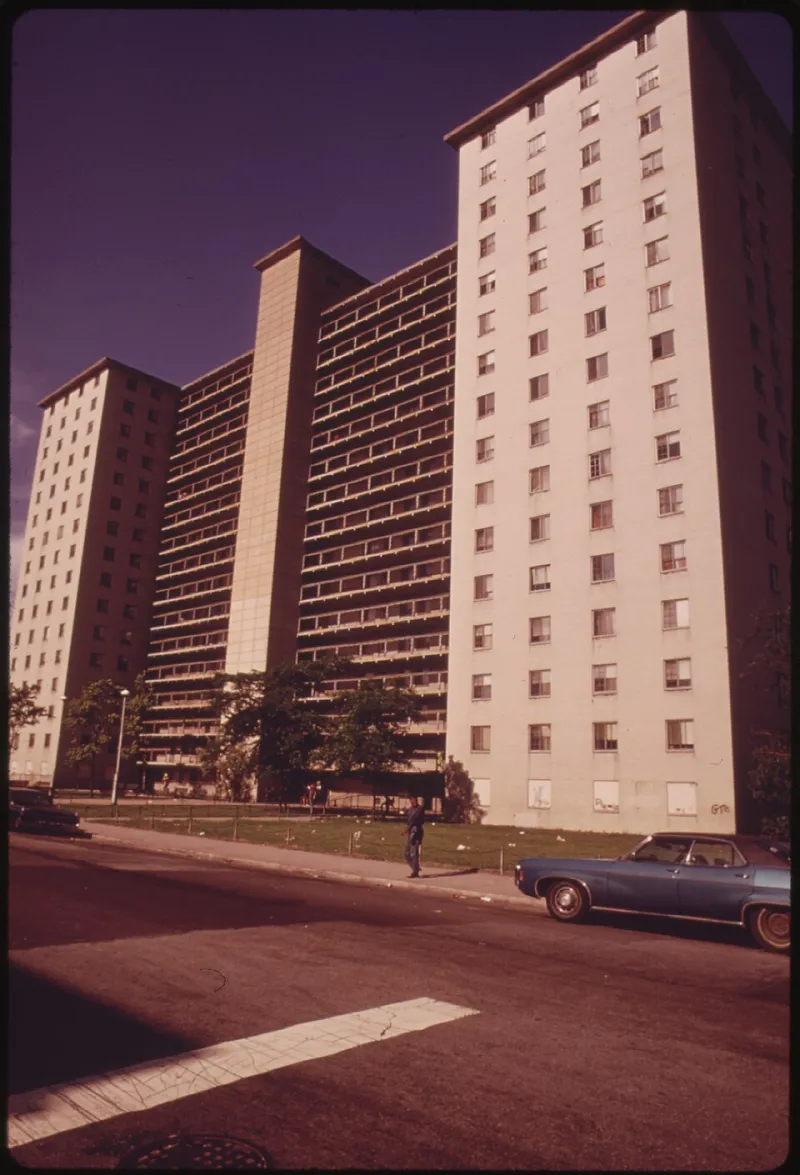
In a two-bedroom apartment in a Chicago public housing complex, a mother of three describes falling asleep to the sound of traffic on the expressway below, the bass line from a neighbor's television bleeding through the drywall, and the rattle of a broken window frame she has reported to her landlord six times. By morning, she estimates she has slept fewer than five hours. Her youngest child, a seven-year-old in second grade, has been flagged by his teacher for difficulty concentrating. His pediatrician suspects attention issues. His mother suspects the walls.
Her suspicion is well-founded—and increasingly supported by a growing body of scientific evidence that housing advocates, pediatricians, and urban health researchers are now marshaling into a coherent public health argument: inadequate soundproofing in low-income rental housing is not a minor inconvenience. It is a chronic health stressor with measurable consequences for cognitive development, psychological well-being, and long-term community stability.
What the Research Tells Us About Noise and the Body
The neuroscience of noise exposure is unambiguous in its conclusions. The human nervous system does not fully habituate to environmental sound during sleep. Even when individuals report sleeping through noise, physiological monitoring reveals that the brain continues to process acoustic input, triggering micro-arousals that fragment the restorative sleep architecture essential to cellular repair, emotional regulation, and memory consolidation.
A landmark study published in Environmental Health Perspectives found that children living in high-noise urban environments demonstrated measurably lower reading scores and elevated cortisol levels—a hormonal marker of chronic stress—compared to peers in quieter residential settings. The World Health Organization has classified environmental noise as the second-largest environmental health threat in Western Europe, after air pollution, and researchers at institutions including Columbia University's Mailman School of Public Health have documented similar patterns across American cities.
For adults, the consequences are equally serious. Persistent nighttime noise exposure is associated with elevated rates of hypertension, anxiety disorders, and depression. The mechanism is physiological: repeated activation of the body's stress response system, even during sleep, sustains elevated cortisol and adrenaline levels that, over time, contribute to cardiovascular strain and psychiatric vulnerability.
The Housing Stock That Makes Silence Impossible
The problem is not simply that low-income neighborhoods are louder—though research consistently confirms that they are, owing to proximity to highways, industrial facilities, and flight paths that wealthier communities have historically resisted. The deeper issue is that the housing stock itself provides inadequate acoustic protection against whatever noise exists.
Older multifamily buildings, which constitute a disproportionate share of affordable rental inventory in cities like New York, Detroit, Philadelphia, and Houston, were frequently constructed before modern acoustic standards existed. Single-pane windows, hollow-core interior doors, and minimal insulation between units allow sound to travel freely. When deferred maintenance compounds these original deficiencies—cracked window seals, gaps around plumbing penetrations, deteriorating door frames—the acoustic environment deteriorates further.
A 2021 analysis conducted by the National Housing Law Project found that noise complaints were among the most frequently cited habitability concerns in tenant surveys across twelve cities, yet they were among the least likely to result in landlord remediation or code enforcement action. The reason is structural: most state and local housing codes define habitability in terms of structural integrity, sanitation, heating, and electrical safety. Acoustic performance is rarely enumerated as a baseline requirement, leaving tenants with limited legal recourse even when their living conditions are demonstrably harmful.
Children in the Crossfire
The developmental stakes for children are particularly acute. Sleep is not a passive state for the developing brain—it is the period during which the consolidation of newly acquired skills, language, and emotional memory occurs. When sleep is chronically fragmented, this consolidation process is disrupted, with consequences that accumulate across a child's educational trajectory.
Researchers at the University of Michigan studying children in Detroit-area low-income housing found that noise-related sleep disruption was a significant independent predictor of school readiness deficits, even after controlling for other socioeconomic variables. Teachers in these communities frequently report students who arrive exhausted, emotionally dysregulated, and unable to sustain attention—symptoms that are often misattributed to behavioral disorders or family dysfunction rather than the housing conditions in which children are trying to rest and grow.
This misattribution has consequences. Children who are flagged for attention or behavioral difficulties may be placed on intervention tracks that follow them through their academic careers, foreclosing opportunities that adequate sleep and a quieter home environment might have preserved. The trajectory from thin walls to diminished life prospects is not inevitable—but it is real, and it is preventable.
What Adequate Standards Would Look Like
Housing advocates and public health researchers have begun articulating what a meaningful acoustic habitability standard might include. At minimum, such a standard would address the sound transmission class (STC) ratings of shared walls and floor-ceiling assemblies in multifamily buildings, requiring landlords to meet or maintain performance thresholds that limit intrusive noise transfer between units. It would also mandate functional, properly sealed windows capable of attenuating exterior noise to levels consistent with healthy sleep—generally understood to be below 35 decibels in sleeping areas.
Several European nations have incorporated acoustic performance into their residential building codes for decades. In the United States, some jurisdictions—including portions of California and New York State—have begun moving in this direction for new construction, but existing housing stock remains largely unaddressed. Retrofitting older buildings for acoustic performance is not inexpensive, but researchers at the Urban Institute have noted that the long-term costs of chronic noise-related health outcomes—including increased utilization of mental health services, special education resources, and cardiovascular care—substantially exceed the upfront investment in acoustic remediation.
The Advocacy Path Forward
For tenants currently living in acoustically deficient housing, the available remedies are limited but not nonexistent. Documenting noise conditions through timestamped recordings, written complaints submitted in writing to landlords, and formal reports to local housing inspection departments creates a record that may support habitability claims or lease-related legal action. Community health workers and tenant advocacy organizations can assist in building these cases and connecting residents with legal aid resources.
At the policy level, the argument for incorporating acoustic standards into habitability codes is gaining traction in several state legislatures, driven in part by coalitions connecting housing justice advocates with public health researchers and pediatric health organizations. The Healthy Homes Collaborative supports these efforts and calls on federal housing agencies—including HUD—to develop guidance that treats acoustic habitability as a dimension of healthy housing, not an amenity reserved for those who can afford it.
Silence, like clean air and safe water, is not a luxury. It is a condition of human health. The families living behind inadequate walls in America's most neglected rental housing deserve the same right to rest, recovery, and the quiet that makes learning possible. Ensuring that right requires treating acoustic neglect not as an aesthetic complaint, but as the public health crisis it demonstrably is.