Breathing by Zip Code: The Housing Conditions Driving Childhood Asthma in America's Most Overlooked Neighborhoods
Photo: BruceBlaus, CC BY-SA 4.0, via Wikimedia Commons
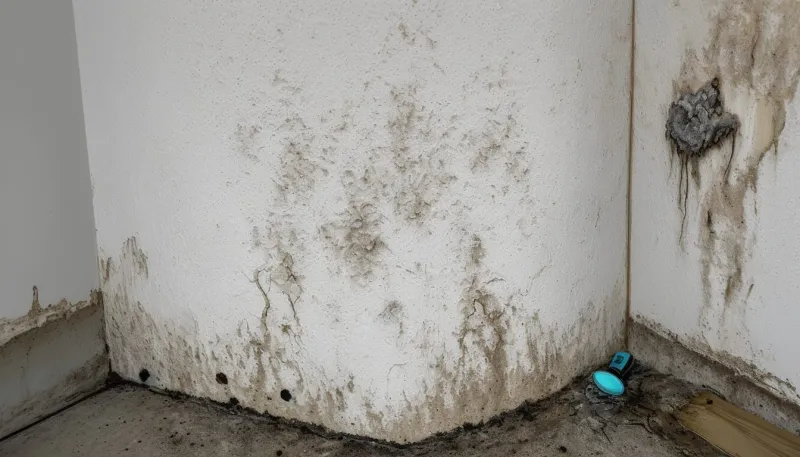
When seven-year-old Marcus was hospitalized for the third time in eighteen months, his mother, Darnella, did what many parents in similar circumstances do: she blamed herself. She wondered whether she had missed something, whether the inhalers were being used correctly, whether her son's diet was somehow contributing to the recurring attacks. What she did not immediately consider was the apartment itself—the dark patch spreading behind the bathroom baseboard, the windows that had not sealed properly in years, the gas stove that vented nowhere.
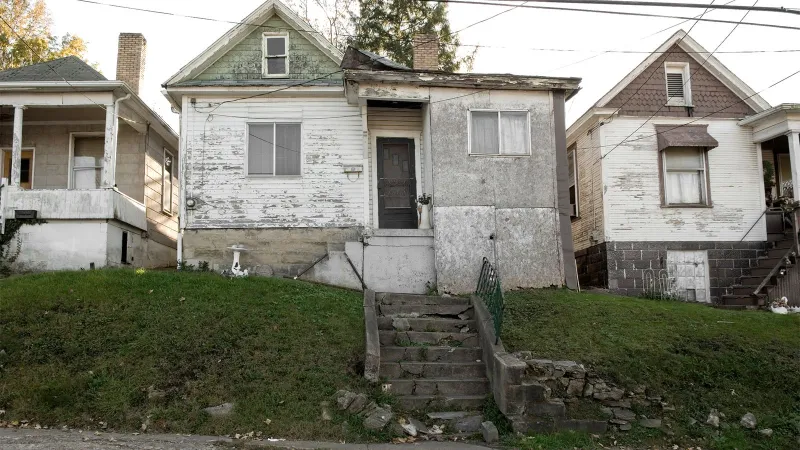
Marcus lives in a neighborhood in Cleveland, Ohio, where childhood asthma rates run nearly three times the national average. That is not a coincidence. It is a pattern repeated in low-income rental corridors across the United States, from the South Side of Chicago to the Lower Ninth Ward in New Orleans to the historically redlined blocks of Baltimore. The zip code a child is born into has become one of the strongest predictors of whether that child will spend their formative years tethered to a nebulizer.
The Data That Should Alarm Every Policymaker
The Centers for Disease Control and Prevention estimates that approximately 4.2 million children in the United States currently have asthma, with Black children experiencing the condition at a rate roughly 1.5 times higher than their white peers and dying from asthma-related complications at a rate more than twice as high. These disparities do not arise from genetics alone. A growing body of epidemiological research points directly at the built environment—specifically, the quality of the homes in which these children sleep, eat, and grow.
A landmark study published in the American Journal of Public Health examined housing code violation data alongside childhood asthma hospitalization rates in twelve major US cities. The correlation was consistent and striking: census tracts with the highest density of unresolved code violations—covering everything from pest infestations to inadequate heating to water intrusion—also recorded the highest rates of pediatric asthma emergency department visits. The researchers were careful to control for income, access to healthcare, and outdoor air quality. Housing quality emerged as an independent, significant predictor.
Dr. Amara Osei-Bonsu, an environmental health researcher at Johns Hopkins Bloomberg School of Public Health, has spent the better part of a decade mapping these relationships. "We have moved well past the point of hypothesis," she told us. "The evidence base is robust. Substandard housing is a disease vector. When we allow children to live in homes with chronic moisture problems, with cockroach and rodent allergens, with inadequate ventilation, we are making a policy choice to accept preventable illness."
Three Conditions, One Crisis
Public health researchers consistently identify three housing-related exposures as primary drivers of asthma in children: indoor allergens from pest infestations, mold and dampness from poor moisture control, and combustion pollutants from unvented or poorly maintained heating and cooking equipment.
Pest allergens are among the most potent asthma triggers identified in clinical literature. Cockroach droppings, shed exoskeletons, and saliva contain proteins that sensitize the immune systems of young children, often before the age of two. In densely populated urban rental buildings where pest management is infrequent or entirely absent, these allergens accumulate in carpets, upholstery, and wall cavities. Integrated pest management—a systematic, low-chemical approach to eliminating infestations at the source—is well-documented as effective. It is also more expensive upfront than a quarterly spray, which is why many landlords opt for the latter.
Mold and dampness represent a related but distinct pathway. Moisture intrusion through leaking roofs, failed plumbing, or condensation from inadequate insulation creates conditions in which mold colonies establish themselves rapidly. Certain species release spores and mycotoxins that are potent respiratory irritants, particularly for developing lungs. In a 2021 analysis of federally assisted housing stock conducted by the National Center for Healthy Housing, researchers found evidence of significant water damage in a troubling proportion of inspected units—damage that, in many cases, had been documented by tenants for months or years without resolution.
Combustion pollutants round out the triad. Gas stoves, when used without adequate ventilation, emit nitrogen dioxide at levels that can exceed outdoor air quality standards within minutes of use. Older forced-air heating systems, particularly those that have not been professionally serviced, can circulate particulate matter and carbon monoxide throughout a home. In many low-income rental units, range hoods are either absent or non-functional, and furnace filters go unreplaced for years at a stretch.
Redlining's Long Shadow
To understand why these conditions cluster so predictably in specific zip codes, it is necessary to acknowledge history. Mid-twentieth century federal redlining policies systematically denied mortgage financing and investment to predominantly Black and Latino neighborhoods. Disinvestment followed, and with it came deferred maintenance, deteriorating housing stock, and the concentration of low-income renters in buildings owned by landlords whose incentive to invest in quality was minimal. The physical legacy of those policies—older housing stock, compressed profit margins, and weakened tenant political power—persists in the same neighborhoods today.
Dr. Rashida Montague, a pediatric pulmonologist practicing in Detroit, sees this history in her clinic every week. "My patients are not sick because of who they are," she said. "They are sick because of where they live, and where they live is the result of decisions made long before they were born. That is the definition of structural injustice, and it demands a structural response."
What a Structural Response Looks Like
Several cities have begun to treat housing quality as a public health intervention with measurable return on investment. The Green & Healthy Homes Initiative, a national nonprofit, has documented that comprehensive home remediation—addressing moisture, pests, ventilation, and heating simultaneously rather than in isolation—reduces asthma-related emergency department visits by as much as 60 percent among participating children. The economic savings, when medical costs, lost parental work hours, and missed school days are aggregated, consistently exceed the cost of the interventions themselves.
Some jurisdictions have adopted proactive rental inspection programs, which require landlords to demonstrate code compliance on a regular schedule rather than waiting for tenant complaints. Research from San Jose, California, and Raleigh, North Carolina, suggests that proactive inspection regimes produce meaningful improvements in housing quality, particularly in lower-income rental markets where tenants are least likely to report violations for fear of retaliation.
At the federal level, advocates are pressing for expanded Medicaid reimbursement for housing-related health interventions, a policy shift that would allow healthcare systems to fund home remediation as a clinical service—an approach already piloted in several states.
What Families Can Do Now
For families like Darnella and Marcus, systemic change cannot come quickly enough. In the meantime, practical steps can reduce exposure while longer-term solutions are pursued. Documenting housing conditions in writing and submitting formal complaints to local code enforcement creates a record that can support future legal action. Contacting a local legal aid organization is advisable for tenants whose landlords have failed to address documented health hazards. State and local health departments often have healthy homes programs that can conduct assessments at no cost to low-income residents.
Marcus is doing better. His mother, now connected with a tenant advocacy organization, successfully compelled her landlord to address the mold and replace the non-functional range hood. His hospitalizations have stopped. His story is not a miracle. It is evidence—evidence that housing quality and child health are inseparable, and that the choice to ignore that connection is, ultimately, a choice to accept preventable suffering.