When the Furnace Fails: How Crumbling Heating Infrastructure Is Turning Winter Into a Public Health Emergency for America's Poorest Families

Photo: Carole Raddato from FRANKFURT, Germany, CC BY-SA 2.0, via Wikimedia Commons
In Detroit's lower east side, a grandmother named Rosalind spent last January sleeping in her kitchen—the only room in her rented two-flat where a space heater could push temperatures above fifty degrees. Her landlord had promised to fix the central boiler since October. By February, the repair still had not happened. Rosalind, who is seventy-one and manages chronic obstructive pulmonary disease, was hospitalized twice during that stretch. Her doctors cited cold-air exposure as a contributing factor.
Rosalind's story is not exceptional. It is, in fact, devastatingly common.
Across the United States, an estimated 35 million households live in homes that are inadequately heated during winter months, according to data compiled by the American Council for an Energy-Efficient Economy. The burden falls disproportionately on low-income renters, communities of color, and elderly residents—populations already navigating compounding health vulnerabilities. For these families, winter is not merely an inconvenience. It is a survival calculation.
The Infrastructure Behind the Crisis
The roots of this emergency run deep into decades of deferred maintenance, discriminatory lending practices, and chronic underfunding of public housing systems. Many of the rental units occupied by America's lowest-income households were built before 1980, before modern energy codes existed. Walls lack adequate insulation. Windows are single-paned. Heating systems—boilers, furnaces, baseboard units—are frequently decades past their expected service life.
When these systems fail, the consequences cascade quickly. Families resort to electric space heaters, which drive utility bills to unmanageable levels. Others rely on gas stovetops for warmth, a practice that dramatically elevates the risk of carbon monoxide poisoning and household fires. Some simply endure the cold, layering blankets and clothing in a desperate bid to maintain body temperature.
The health data attached to these conditions is sobering. Hypothermia hospitalizations in the United States are not confined to people experiencing homelessness. Research published in the American Journal of Public Health has documented elevated cold-related hospitalization rates in census tracts with high concentrations of pre-1980 rental housing stock. Children and adults over sixty-five are most vulnerable, but working-age adults with cardiovascular conditions, diabetes, or respiratory illness face serious risk as well.
The Impossible Budget
What makes this crisis particularly cruel is the financial architecture surrounding it. The Low Income Home Energy Assistance Program—known as LIHEAP—is the federal government's primary tool for helping low-income households manage energy costs. In a well-funded year, LIHEAP serves only a fraction of eligible households. The National Energy Assistance Directors' Association has repeatedly documented that fewer than one in five eligible families receives any LIHEAP benefit, owing to chronic Congressional underfunding.
For families who do not qualify for assistance or cannot navigate the application process, the math is brutal. A family earning $2,200 per month in a drafty apartment may face a winter heating bill of $400 or more—nearly a fifth of their income, before rent, food, or medication. This is the arithmetic of what researchers call "energy poverty," and it forces choices that no family should be compelled to make.
"When heating costs spike, we see families cutting back on food first," said a community health worker with a Chicago-based tenant advocacy organization who asked not to be named due to ongoing casework. "Then medications. The cold itself is a health issue, but so is everything people sacrifice to try to stay warm."
What Landlords Owe—and What They Often Withhold
Under the implied warranty of habitability—a legal doctrine recognized in virtually every U.S. state—landlords are obligated to maintain rental units in a livable condition. In most jurisdictions, adequate heat is explicitly defined as part of that standard. New York City, for example, requires landlords to maintain indoor temperatures of at least 68 degrees Fahrenheit during daytime hours and 62 degrees overnight during the heating season.
Yet enforcement of these standards is wildly inconsistent. Many municipalities lack the inspector capacity to investigate complaints promptly. Tenants in states with weak tenant-protection laws may face retaliatory eviction threats when they report heating failures. And in rural communities, where code enforcement infrastructure is thin and housing markets offer few alternatives, the power imbalance between landlord and tenant can feel absolute.
Tenants who believe their heating rights are being violated have several avenues available to them:
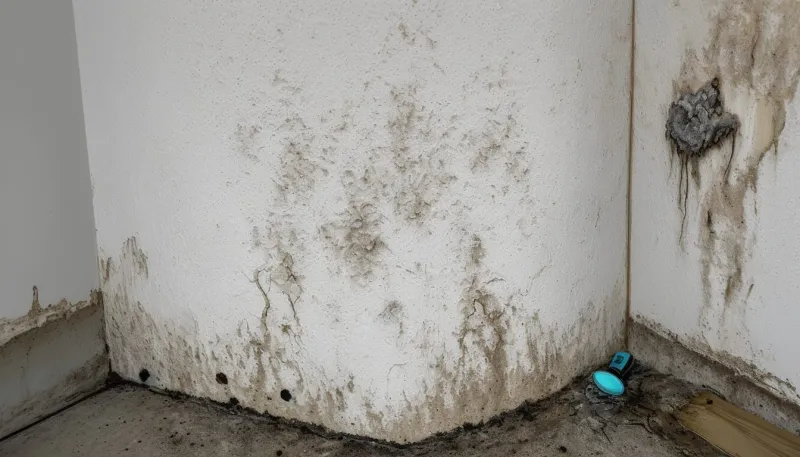
- Document everything. Photograph visible problems—frost on interior walls, visible gaps in window frames, broken thermostat displays—and log indoor temperatures with timestamps. Many smartphones have free thermometer applications.
- Submit written repair requests. A written request, sent via certified mail or email with read-receipt, creates a legal record. Verbal complaints are far more difficult to substantiate.
- Contact local housing authorities or code enforcement. Even in under-resourced jurisdictions, a formal complaint triggers an official record and may compel landlord action.
- Consult a tenant legal aid organization. Many states have legal aid programs that provide free counsel to low-income renters. The National Housing Law Project maintains a directory of regional resources.
- Explore rent withholding or repair-and-deduct remedies. In states where these options are available, tenants may be legally entitled to withhold rent or arrange repairs themselves and deduct the cost—but this process requires careful adherence to state-specific procedures.
Weatherization: A Resource Too Few Families Know About
Beyond immediate heating failures, long-term solutions require addressing the underlying energy inefficiency of the housing stock itself. The federal Weatherization Assistance Program (WAP), administered through the Department of Energy, funds improvements like insulation installation, air sealing, and heating system upgrades for income-eligible households. Crucially, renters can qualify—though landlord cooperation is typically required.
The Inflation Reduction Act of 2022 significantly expanded funding for weatherization and energy-efficiency programs, including new tax credits and rebates accessible to lower-income households. Community organizations in many cities are now actively helping tenants identify and apply for these resources. Residents are encouraged to contact their state energy office or a local community action agency to learn what programs are currently active in their area.
A Systemic Problem Demands a Systemic Response
Rosalind's kitchen-as-bedroom strategy should not be the solution that American housing policy offers to a seventy-one-year-old woman with a lung condition in January. Yet without structural investment in housing rehabilitation, strengthened tenant protections, and fully funded weatherization and energy assistance programs, it will remain the reality for millions.
At Healthy Homes Collaborative, we believe that the warmth of one's home is not a luxury—it is a health determinant as fundamental as clean water or safe food. Addressing the heating crisis in low-income communities requires policy ambition, tenant organizing, and community advocacy working in concert. The cold does not wait. Neither should we.