Greenwashed Out: When Sustainability Upgrades Become a Tool for Displacement in Low-Income Communities
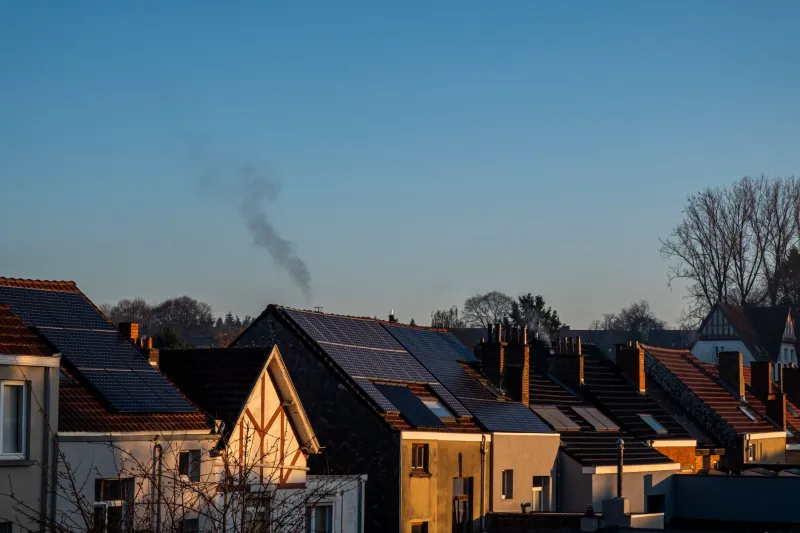
There is a cruel irony embedded in the green housing movement that few policymakers are willing to name plainly: the same environmental upgrades designed to protect vulnerable communities from the health consequences of substandard housing are, in many cities, functioning as an engine of displacement. Rooftop solar arrays, triple-pane windows, heat pump installations, and coveted sustainability certifications are transforming once-overlooked neighborhoods into desirable real estate, and the families who endured decades of neglect are now being priced out before the paint on the new insulation panels has dried.
At Healthy Homes Collaborative, we believe that a healthy home must also be a home you can afford to keep. Environmental wellness and housing justice are not competing priorities—they are inseparable. But unless the green housing movement confronts its complicity in displacement, it risks becoming one more mechanism through which underserved communities are harmed in the name of helping them.
The Promise and the Pattern
The logic behind green housing investment is, on its surface, entirely sound. Low-income households—disproportionately Black, Latino, and Indigenous—bear a vastly outsized burden of environmental health harms. They are more likely to live in homes with inadequate insulation, aging HVAC systems, and utility infrastructure that drives up energy costs while delivering unreliable comfort. Asthma rates, cardiovascular disease, and heat-related illness cluster in these same ZIP codes. Green retrofits, advocates rightly argue, should be a health equity intervention.
But a troubling pattern has emerged in cities from Oakland, California to Richmond, Virginia to Chicago's South Side. When energy efficiency programs, green certifications, or high-profile sustainability investments arrive in a low-income neighborhood, property assessments follow. Landlords who accept federal or state weatherization funding—meant to lower tenants' utility bills—find themselves sitting on significantly more valuable assets. Some pass modest savings along to tenants. Others use the upgraded property value as justification for rent increases, lease non-renewals, or outright sale to developers who market the units to a different, wealthier demographic entirely.
The result is what researchers and housing advocates have begun calling "green gentrification": the process by which environmental improvements, absent strong tenant protections, become a vector for community destabilization.
Who Benefits When the Solar Panels Go Up?
Consider the federal Weatherization Assistance Program (WAP), which funds energy efficiency upgrades for low-income households. The program has genuine merit—it reduces energy burdens and improves indoor air quality for millions of Americans. Yet in rental housing, the structural reality is stark: the landlord owns the asset, and the landlord captures the appreciation.
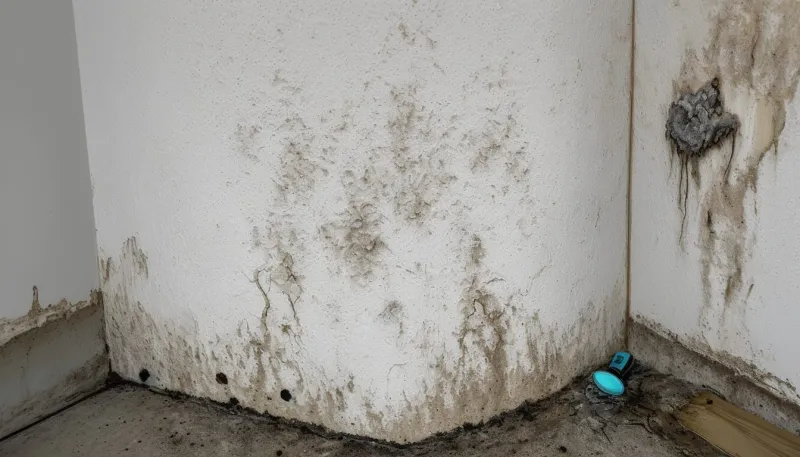
A tenant who has lived in a drafty, mold-prone apartment for fifteen years may welcome new windows and a modern heating system. But if those improvements trigger a rent increase that consumes the entire utility savings—or worse, prompts the landlord to pursue a more profitable tenant—the health benefit evaporates along with the lease.
Similarly, LEED and ENERGY STAR certifications, designed to signal genuine environmental stewardship, have become powerful marketing tools in competitive housing markets. A certified building in a transitional neighborhood commands higher rents and attracts higher-income tenants. The certification says nothing about whether existing residents were protected during the upgrade, whether affordability covenants were attached to public funding, or whether the community had any voice in the process.
The Displacement-Health Nexus
It is worth stating clearly what displacement does to human health, because the conversation about green housing too often treats relocation as a neutral or even positive outcome. The research is unambiguous: involuntary displacement is a significant social determinant of health. Families forced to move experience elevated rates of depression, anxiety, and chronic stress. Children's academic performance declines. Access to established medical providers, community support networks, and familiar food environments is severed. The health gains from a better-insulated apartment are erased—and then some—when the family living in it is pushed into a more distant, less stable, and often equally substandard housing situation.
For communities that have already absorbed generations of environmental harm—from highway construction through their neighborhoods, proximity to industrial sites, chronic disinvestment in public infrastructure—green displacement is not a fresh start. It is one more iteration of the same story: resources flow in, benefits flow out, and the community absorbs the costs.
What Equitable Green Housing Actually Looks Like
The problem is not environmental investment. The problem is environmental investment without accountability to the people it is supposed to serve. Advocates, community organizations, and progressive policymakers have outlined what genuine equity looks like in practice, and the components are neither radical nor untested.
Affordability covenants attached to public funding. Any landlord who accepts public dollars for green upgrades—whether through federal weatherization programs, state energy efficiency incentives, or municipal sustainability grants—should be required to maintain affordable rents for a defined period. This is standard practice in affordable housing development and should be standard practice in green housing policy.
Tenant right of return. When upgrades require temporary relocation, tenants must have a legally enforceable right to return to their unit at the same rent. Without this protection, "temporary" relocation becomes permanent displacement with extra steps.
Community land trusts and shared ownership models. In neighborhoods targeted for green investment, community land trusts offer a proven mechanism for permanently removing housing from the speculative market. Residents who own or have long-term leases through a land trust cannot be priced out by rising property values—because the land trust structure is specifically designed to prevent that outcome.
Participatory planning requirements. Green housing initiatives funded with public money should require genuine community engagement before, not after, investment decisions are made. Residents should have binding input into where resources go, what protections accompany them, and how benefits are distributed.
Anti-displacement ordinances. Cities and states have the authority to enact just-cause eviction protections, rent stabilization, and right-to-counsel programs that create a legal floor beneath which tenants cannot be pushed. These tools do not stop green investment—they ensure that investment serves the people already there.
Reclaiming Environmental Justice From Green Capital
Environmental justice, as a movement, was built by communities of color who understood that ecological harm and economic exploitation are not separate phenomena—they are coordinated. The demand was never simply for cleaner air or lower utility bills in the abstract. It was for the right to live in a healthy, stable, affordable home in the community you have built and belong to.
When green housing initiatives arrive without tenant protections, without affordability requirements, and without community governance, they are not environmental justice programs. They are environmental branding attached to the same displacement machinery that has operated in low-income neighborhoods for generations.
At Healthy Homes Collaborative, we call on federal, state, and local policymakers to treat anti-displacement protections as non-negotiable conditions of any publicly funded green housing investment. We call on environmental organizations to measure the success of their programs not only in carbon reductions and efficiency ratings, but in whether the people who were there before the upgrades are still there afterward.
A solar panel on the roof of a building whose tenants were forced out is not a victory for environmental justice. It is a monument to the gap between the rhetoric of sustainability and the lived reality of the communities that sustainability was supposed to protect.
The green transition is coming. The only question is who it will serve.